NOA at Pensthorpe: Constant Effort Site Ringing Project

NORFOLK ORNITHOLOGISTS' ASSOCIATION

CONSTANT EFFORT SITE AT PENSTHORPE

WHAT IS A CONSTANT EFFORT SITE?

The Constant Effort Site scheme is a national ringing programme run by the British Trust for Ornithology which aims to gather information that helps to explain bird population changes, through a programme of summer mist-netting at sites in specific habitats.

The CES site work at Pensthorpe is carried out by the NOA, with funding from the River Wensum Initiative.

The programme consists of twelve standard visits to the site , at least six days apart, made between late April and the end of August . Ringers must use the same nets in the same positions, opened and closed at the same times each visit.

Because the catching is always done in exactly the same way, the information collected then demonstrates genuine changes in bird numbers.

Three types of change are demonstrated through CES:

a) Changes between years in the totals of adults captured provide an index of population change at the study sites.

b) Information on post-fledging productivity is provided by the ratio of juveniles to adults captured in the late season

c) Between year retraps provide information on survival

What are we hoping to catch?

Target species are:

Red list – Designated due to severe population decline or breeding population decline over the last 25 years: Song Thrush, Spotted Flycatcher, Linnet, Bullfinch and Reed Bunting

Amber list – Designated due to population decline or breeding population decline over the last 25 years: Dunnock, Nightingale, Blackbird, Willow Tit and Goldfinch

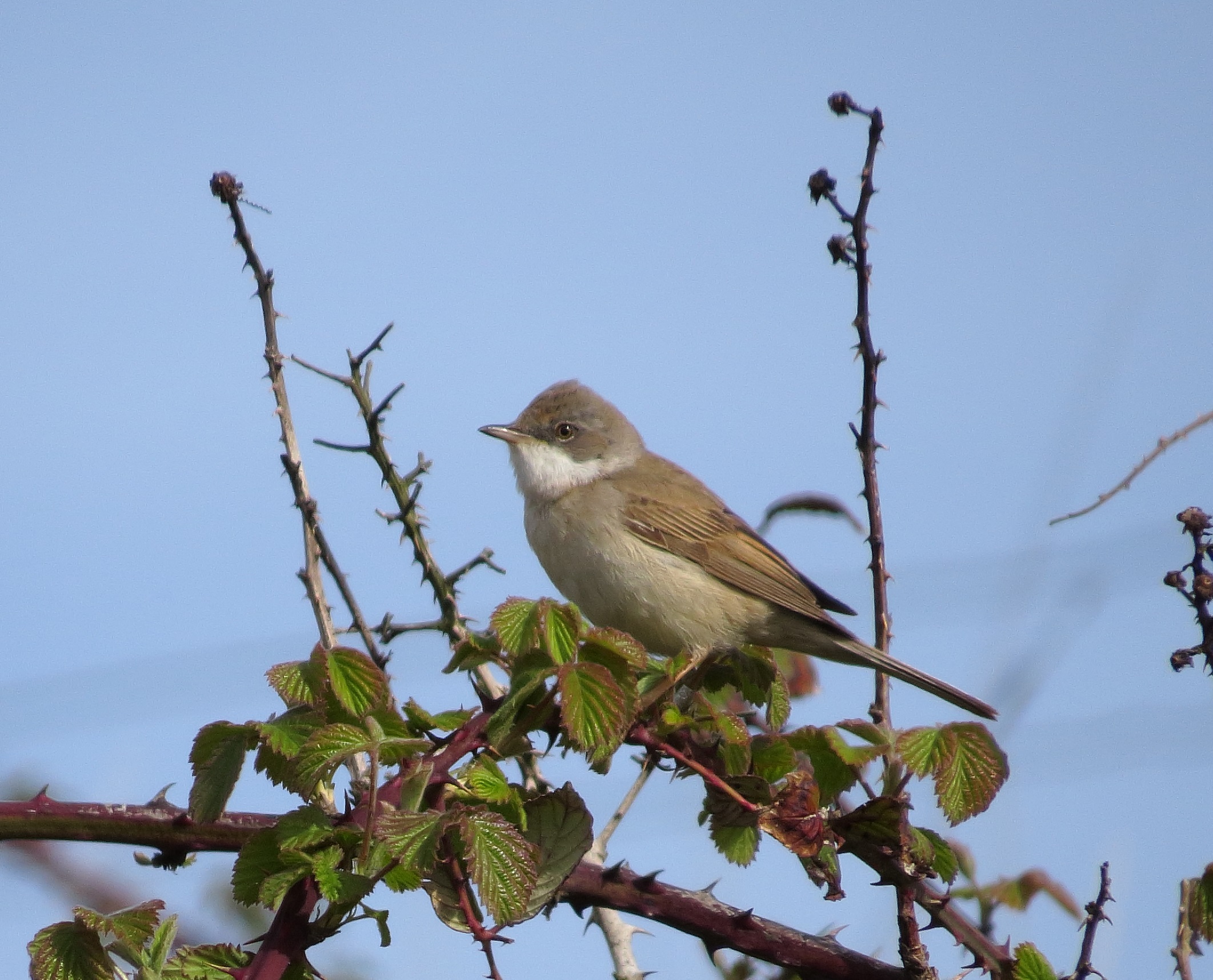
Other species – Wren, Robin, Sedge Warbler, Reed Warbler, Lesser Whitethroat, Whitethroat, Garden Warbler, Blackcap, Chiffchaff, Willow Warbler, Long-tailed Tit, Blue Tit, Great Tit, Treecreeper, Chaffinch, Greenfinch, Redpoll and Yellowhammer.

Since 2006, the NOA has ringed a total of 1081 new birds at Pensthorpe and processed 404 birds which already carried rings. These included a Sedge Warbler ringed in France and a Mute Swan ringed at the site back in 1994. The research continues.